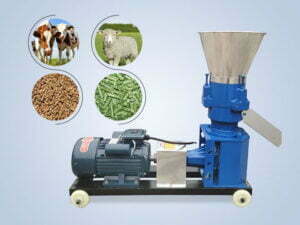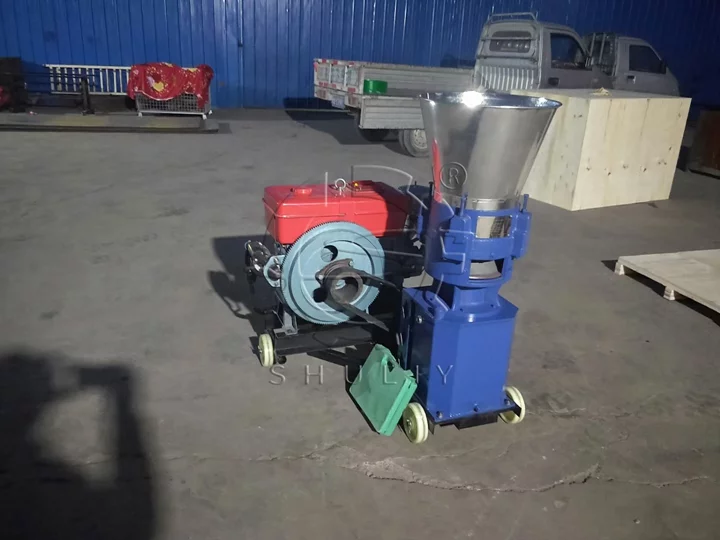
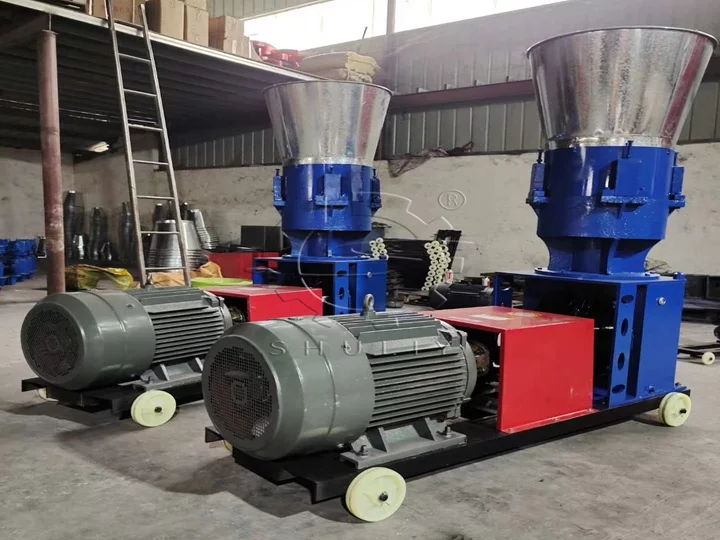
Один Завод по производству кормов для животных is an efficient machine to process various agricultural materials into uniform feed pellets for livestock and poultry. By compressing powdered feed materials into dense pellets, the machine can improve feed utilization, reduce waste, and make storage and transportation easier.
One of the biggest advantages of an animal feed pellet machine is its wide range of raw material compatibility. Farmers and feed manufacturers can use different locally available ingredients to produce nutritious pellets according to the feeding needs of different animals.
Grain Materials for Animal Feed Pellets
Grains are the most common raw materials used in an animal feed pellet machine because they provide essential carbohydrates and energy for animal growth.
Common grain materials include:
- Corn
- Wheat
- Barley
- Rice
- Sorghum
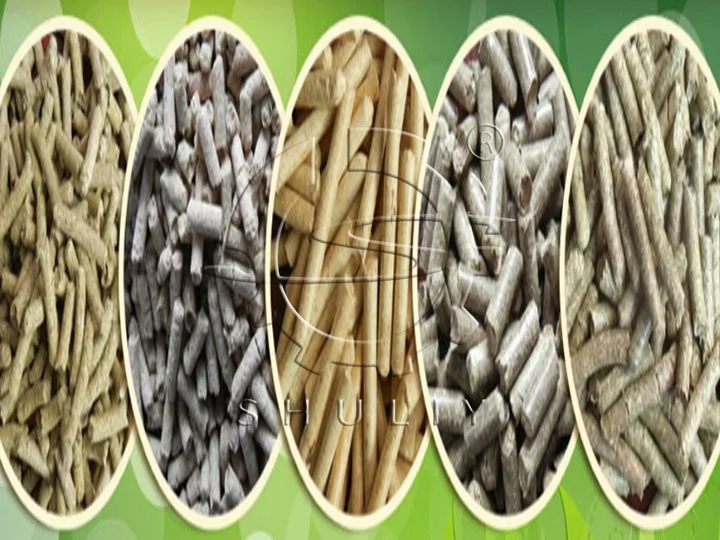
These grains can be crushed and mixed with other feed ingredients before entering the pellet mill. After pelletizing, the feed becomes more compact and easier for animals to consume.
Oilseed Meal and Protein-Rich Materials
Protein is an important component of animal feed, especially for poultry, cattle, pigs, and other livestock. An animal feed pellet mill can process various protein-rich ingredients to improve feed nutrition.
Typical protein materials include:
- Soybean meal
- Rapeseed meal
- Peanut meal
- Cottonseed meal
- Fish meal
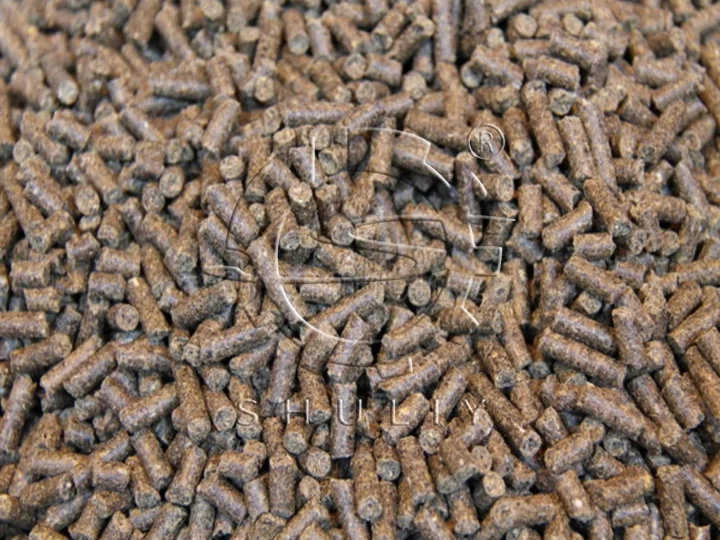
Adding these materials to feed pellets can provide animals with sufficient protein and support healthy growth.
Agricultural Waste and Crop Residues
The Гранулятор кормов can also utilize many agricultural by-products that are often discarded. Turning these materials into feed pellets not only reduces waste but also helps farmers lower feeding costs.
Suitable agricultural residues include:
- Солома
- Rice husk
- Corn stalks
- Wheat straw
- Grass powder
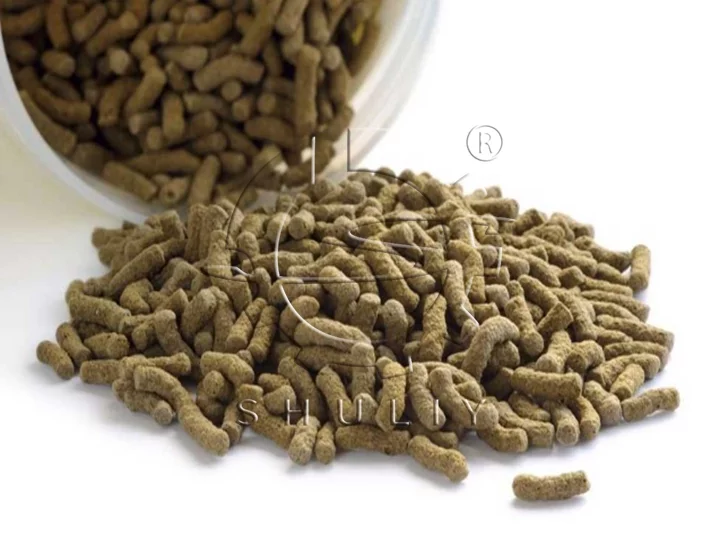
Before pelletizing, these materials usually need to be crushed into smaller particles to ensure smooth processing and better pellet quality.
Grass and Forage Materials
For livestock such as cattle, sheep, and goats, forage-based feed is an important part of daily nutrition. An animal feed pellet machine can compress dried grass and forage materials into convenient pellets.
Common forage materials include:
- Alfalfa
- Hay
- Pasture grass
- Clover
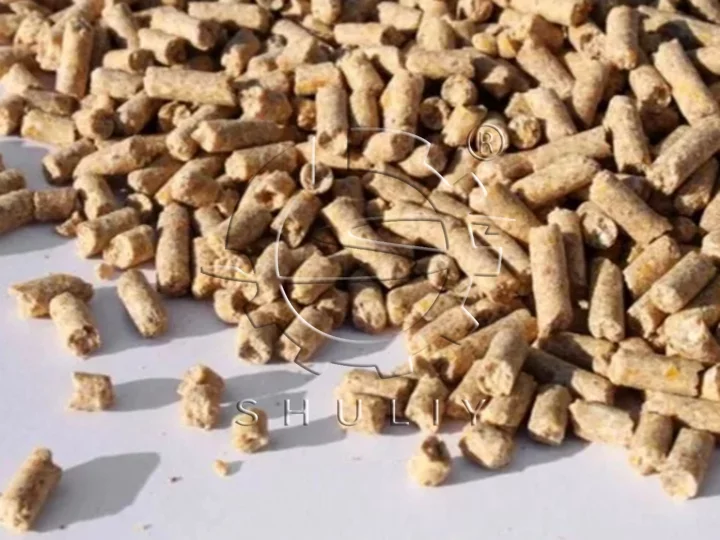
Compared with loose forage, grass pellets are easier to store, transport, and feed, making them a practical choice for modern livestock farms.
Feed Additives and Other Ingredients
Besides major feed materials, different additives can also be mixed into the raw materials before pellet production. These ingredients help improve the nutritional value and feeding effect of animal feed.
Common additives include:
- Minerals
- Vitamins
- Salt
- Other nutritional supplements
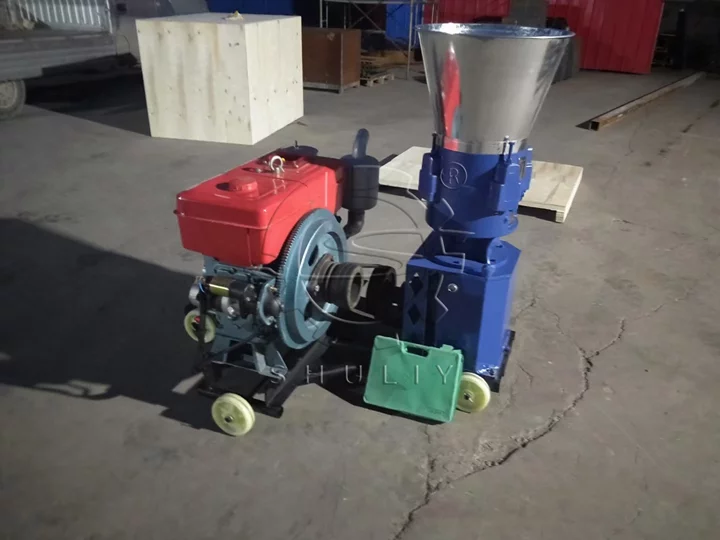
By adjusting the formula, farmers can produce customized pellets for different animals, including chickens, cattle, sheep, pigs, and other livestock.
Why Choose an Animal Feed Pellet Mill for Feed Production?
Using an Завод по производству кормов для животных allows farmers and feed producers to make high-quality pellets from various raw materials. The pelletizing process improves feed density, reduces material loss, and makes feeding more convenient.
With its flexible raw material options and efficient production performance, the animal feed pellet machine is suitable for small farms, livestock breeders, and commercial feed production businesses.
Whether using grains, agricultural waste, grass, or protein materials, this machine provides a reliable solution for producing nutritious animal feed pellets and improving overall farming efficiency.