
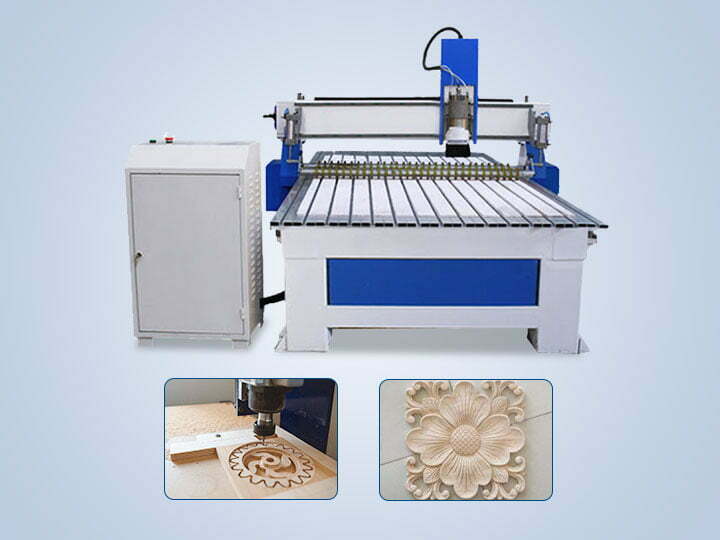
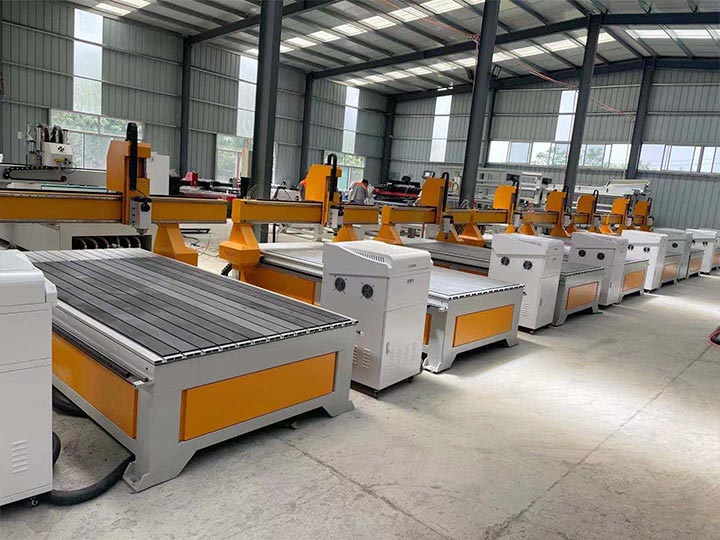
The CNC wood router (computer numerical control wood carving machine) is automatic engraving equipment that can be intelligently controlled via computer programming. This wood carving machine processes wood, jade, bamboo, glass, plastic, and various other materials with exceptional precision. CNC wood routers are primarily used for engraving and carving doors, furniture, cabinets, and decorative wood products. The working principle involves converting design programming into motor control signals that drive the machine’s cutting tool along precise X, Y, and Z axes to create detailed engravings.
As manual carving is increasingly replaced by automated solutions, CNC engraving machines offer significantly higher precision, faster processing speeds, and consistent quality across large production runs. Our CNC routers are trusted by furniture manufacturers, woodworking shops, and crafts producers worldwide.
Why Choose Our CNC Wood Router?
High Precision
Precision down to 0.01mm with servo motor drive. Consistent accuracy across entire workpieces ensures perfect replication of intricate designs.
Multi-Axis Control
Available in 3-axis, 4-axis, and 5-axis configurations. Multi-axis capability enables complex 3D carvings and beveled edges impossible with manual carving.
Versatile Materials
Processes wood, stone, metal sheets, acrylic, and composites. One machine handles furniture production, sign making, and artistic carving.
User-Friendly Control
DSP controller with intuitive interface. Compatible with standard CAD/CAM software including Type3, ArtCAM, and Mastercam for easy design transfer.
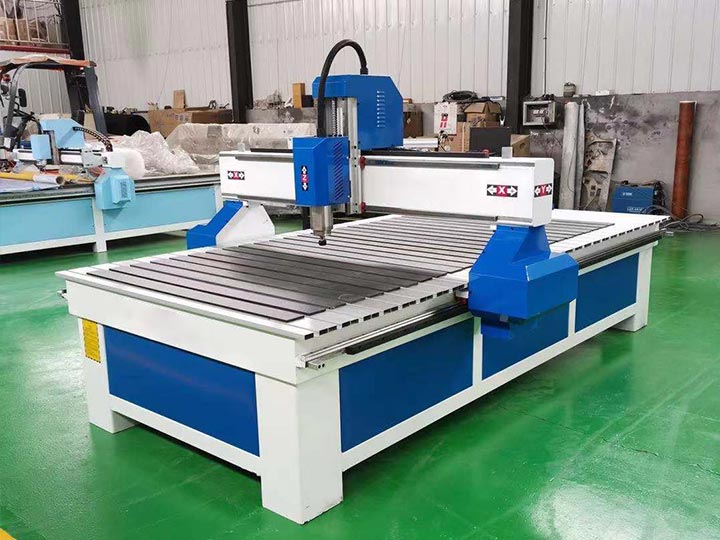
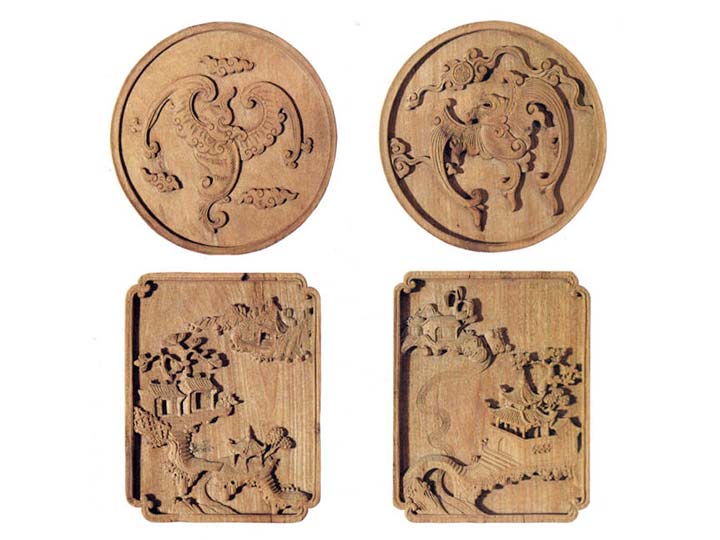
CNC Wood Router Applications
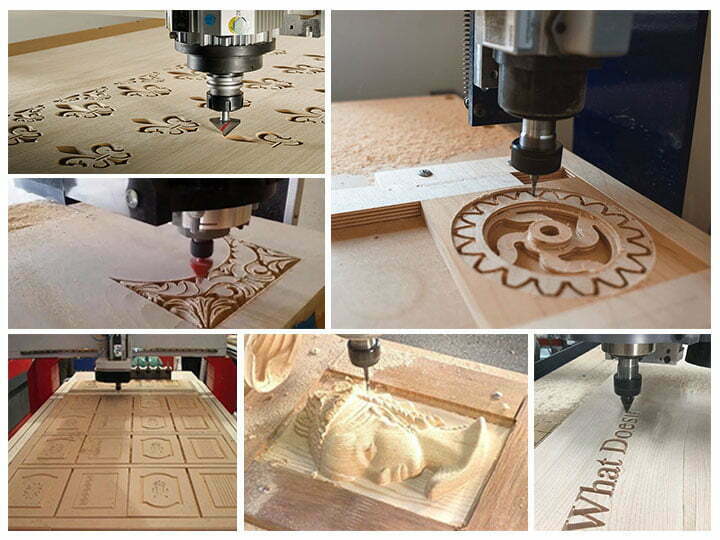
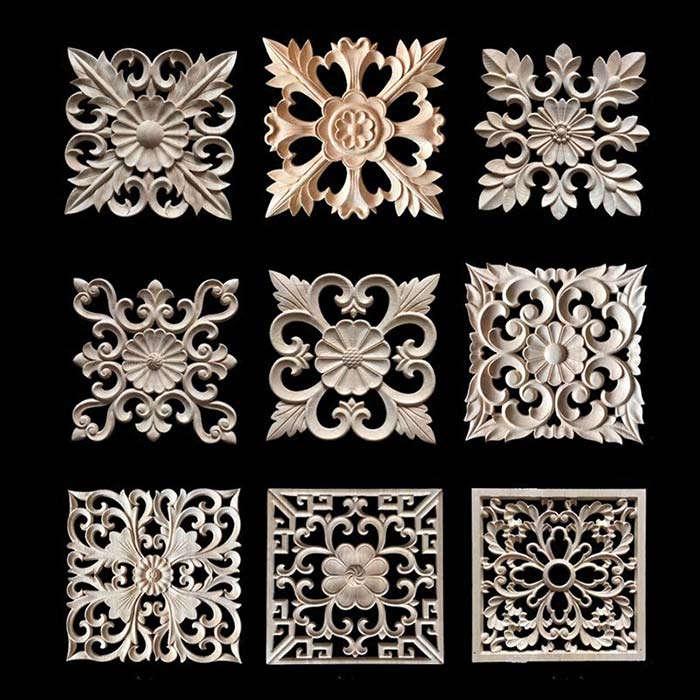
With the improvement of living standards, demand for carved wood products has increased significantly. CNC wood routers are replacing manual carving due to their superior precision and efficiency. The machines serve three major industry sectors:
Furniture Manufacturing
- Solid wood door panels and frame carving
- Cabinet door relief carving and panel processing
- Antique mahogany furniture reproduction
- Art murals and decorative wall panels
- Table, chair, and cabinet surface engraving
Woodworking Crafts
- Clock frame and picture frame carving
- Calligraphy plaques and memorial boards
- Sports equipment surface processing
- Thin aluminum and composite panel cutting
Sign Making and Advertising
- Advertising signs and dimensional letters
- Acrylic engraving and cutting
- Exhibition displays and conference materials
Stone and Metal Processing
Beyond wood, our CNC routers handle stone carving (tombstones, balusters, columns), ceramic tile processing, and metal sheet cutting including aluminum, copper, and steel plates.
Machine Structure and Components
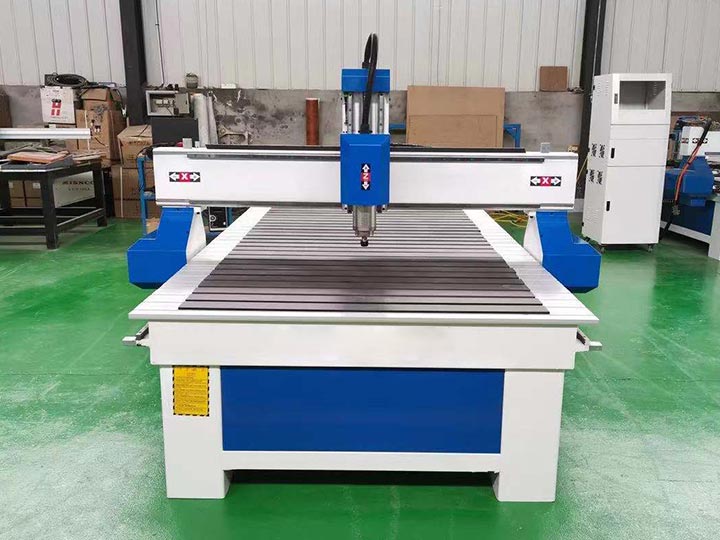
The CNC wood router system consists of three integrated components that work together to translate digital designs into physical products:
Computer workstation
Design software (Wentai, Type3, Artcam, JD) creates tool paths from designs. The computer generates CNC code (G-code or HPGL) for transmission to the controller.
DSP Controller
Digital signal processor converts programmed instructions into pulse trains that precisely control stepper or servo motor movement along each axis.
Machine Host
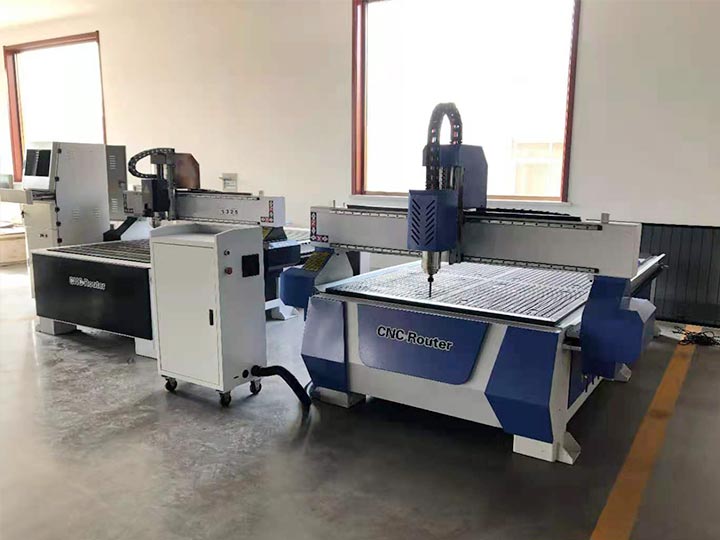
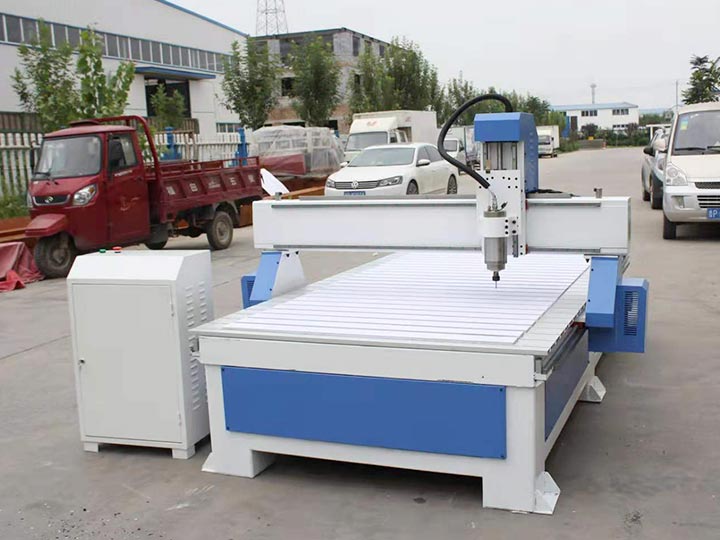
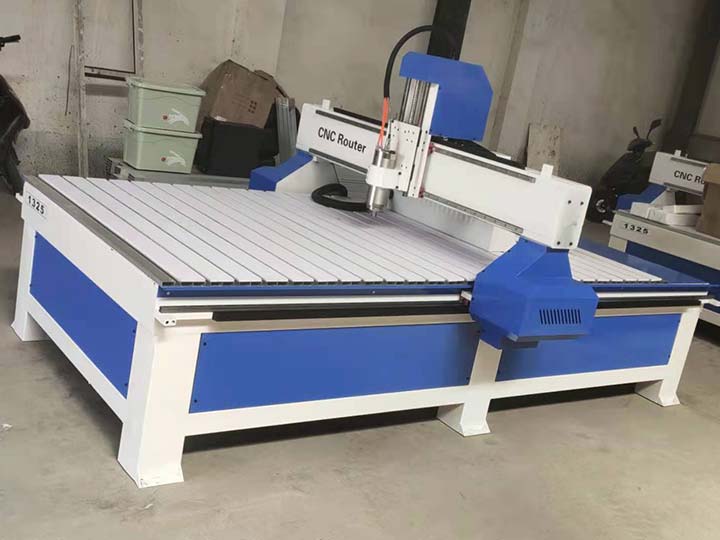
Mechanical structure with X, Y, Z axis linear guides, worktable, and high-speed spindle. The spindle accepts various cutting tools based on material and desired finish.
Spindle Motor
High-speed rotating spindle (typically 0-24,000 RPM) holds cutting tools. Variable speed control adapts to different materials and cutting depths.
Technical Specifications
| Specification | 3-Axis Standard | 3-Axis Heavy Duty | 4-Axis Rotary | 5-Axis Professional |
|---|---|---|---|---|
| Working Area | 1300×2500mm | 1500×3000mm | 1300×2500mm | 2000×3000mm |
| Spindle Power | 3.0 kW | 4.5 kW | 3.0 kW | 5.5 kW |
| Spindle Speed | 0-24,000 RPM | 0-24,000 RPM | 0-24,000 RPM | 0-18,000 RPM |
| Precision | ±0.01mm | ±0.01mm | ±0.01mm | ±0.005mm |
| Max Cutting Speed | 10,000mm/min | 12,000mm/min | 10,000mm/min | 15,000mm/min |
| Drive System | Stepper motors | Servo motors | Servo motors | Servo motors |
| Controller | DSP NC Studio | DSP NC Studio | DSP RichNC | Syntec/Weihong |
| File Format | G-code, HPGL | G-code, HPGL | G-code, HPGL | G-code, HPGL, STEP |
Software Compatibility
Our CNC wood routers are compatible with industry-standard design and manufacturing software. Choose the software that best matches your design workflow:
| Software | Type | Best For |
|---|---|---|
| Type3 | 3D Modeling + CAM | Intricate 3D carvings, relief engraving |
| ArtCAM | 2D/3D + CAM | Sign making, 2D profiling, 3D relief |
| Mastercam | CAD/CAM | Complex surfacing, professional production |
| Wentai/Veno | 2D + CAM | Budget-friendly 2D carving |
| Fusion 360 | CAD/CAM | Cloud-based design, prototyping |
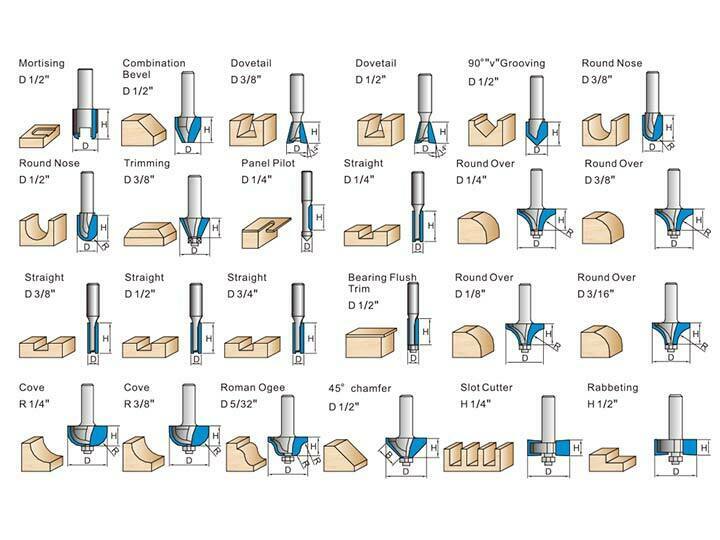
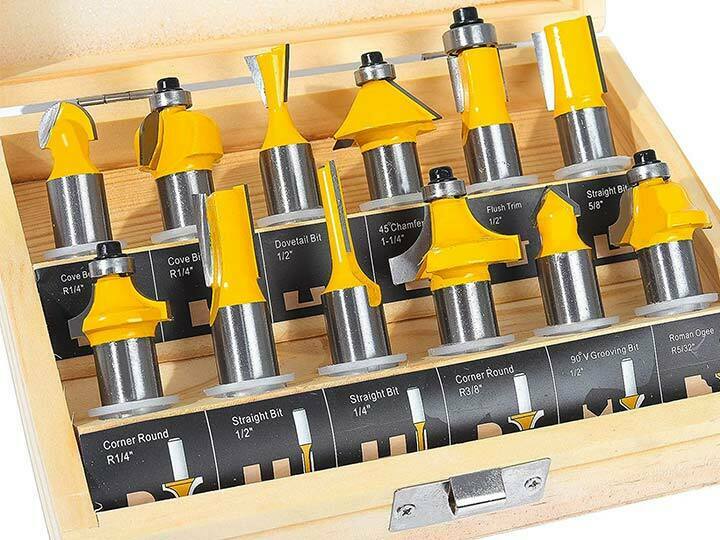
Selecting and Using CNC Router Bits
Proper tool selection and maintenance significantly impact engraving quality and machine longevity. Follow these guidelines for optimal results:
- Tool Holder Fit: Ensure the tool jacket size matches your spindle. Never use jackets with deformed holes, worn tapers, or damage from extended use. Improper fit causes tool vibration that ruins engraving quality.
- Proper Insertion: The tool handle must enter and exit the collet smoothly. The holder should seat firmly and tighten securely. Replace worn collets immediately to prevent tool slippage during operation.
- Tool Condition: Inspect cutting edges before each use. Dull or damaged tools produce poor finish quality and create excessive cutting forces that stress machine components. Replace immediately when dull.
- Material Thickness: Never exceed the cutting depth capacity of your tool. Oversized cuts risk tool breakage and damage to the workpiece. Match bit diameter to pocket and relief sizes.
- Speed Adjustment: Different materials require different spindle speeds and feed rates. Softer materials (foam, softwood) allow higher speeds; harder materials (hardwood, aluminum) require slower speeds with deeper passes broken into multiple light cuts.
Spindle Speed Guide
Proper spindle speed (RPM) affects surface finish, tool life, and cutting efficiency. Use this guide as a starting point and adjust based on material response:
| Material | Recommended RPM | Feed Rate |
|---|---|---|
| Softwood (Pine) | 18,000-24,000 | 3,000-5,000 mm/min |
| Hardwood (Oak) | 12,000-18,000 | 2,000-4,000 mm/min |
| Plywood/MDF | 18,000-24,000 | 3,000-6,000 mm/min |
| Acrylic | 18,000-24,000 | 1,500-3,000 mm/min |
| Aluminum | 6,000-12,000 | 1,000-2,000 mm/min |
| Cabinet-grade plywood | 18,000-22,000 | 4,000-6,000 mm/min |
Maintenance Schedule
Regular maintenance ensures consistent precision and extends machine life. Follow this maintenance schedule:
After Each Use
- Power off spindle and control system
- Clean chips and debris from worktable and guide rails
- Remove and properly store cutting tools
Weekly Maintenance
- Check and tighten any loose screws on mechanical components
- Clean and lubricate linear guides with machine oil
- Inspect tool holders and collets for wear
Monthly Maintenance
- Lubricate lead screws with white lithium grease (never use butter)
- Check cable connections in drag chains for wear or tension
- Verify belt tension on spindle and axis drives
Long-Term Storage
- Thoroughly clean and lubricate all metal surfaces
- Wrap machine in plastic film to prevent dust and moisture
- Store in dry location with temperature stability
Troubleshooting Guide
| Problem | Possible Cause | Solution |
|---|---|---|
| Poor surface finish | Dull tool, wrong speed, excessive feed | Replace or resharpen tool, adjust parameters |
| Tool breakage | Excessive depth per pass, wrong feed rate | Reduce depth of cut, increase feed rate |
| Motor overheating | Extended operation, inadequate cooling | Allow cooling breaks, check ventilation |
| Axis drift/motor失控 | Loose cable, broken wire in drag chain | Inspect and replace damaged cables |
| Excessive vibration | Imbalanced tool, loose collet | Balance or replace tool, tighten collet securely |
| Step loss (missed steps) | Speed too high, mechanical binding | Reduce speed, check for debris on guides |
Frequently Asked Questions
What is the difference between 3-axis, 4-axis, and 5-axis CNC routers?
A 3-axis router moves the tool in X, Y, and Z directions, suitable for flat engraving and 2.5D carvings. A 4-axis machine adds a rotating axis (A or C) for cylindrical workpiece carving and spiral engravings. A 5-axis router adds two rotational axes, enabling complex 3D sculpting, undercuts, and simultaneous multi-sided machining. Choose based on your product complexity requirements.
What software do I need to operate the CNC wood router?
You need CAD software to create designs (or use purchased designs) and CAM software to generate toolpaths and G-code. We recommend Type3 or ArtCAM for relief carving, Mastercam for complex production work. We provide basic training on one CAM software of your choice, and the machine also accepts files from most standard CAD/CAM packages.
What materials can the CNC wood router process?
The CNC wood router processes wood (all types), MDF, plywood, acrylic, PVC, soft metals (aluminum, copper, brass), stone, marble, and composites. Hardwood carving, furniture production, sign making, and mold making are common applications. Note that different spindles and tooling are required for stone versus wood applications.
How precise is the CNC wood router?
Our standard CNC routers achieve positioning precision of ±0.01mm with stepper motors, while heavy-duty servo-driven models reach ±0.005mm. This precision is maintained through rigid machine construction, quality linear guides, and regular maintenance. Actual carving precision also depends on bit selection, material stability, and clamping method.
What spindle power do I need?
For wood carving and furniture production, a 3.0-4.5kW spindle is sufficient. Choose 5.5kW or larger for heavy-duty hardwood carving, aluminum processing, or continuous production. Higher power maintains speed under load and extends bit life. Our standard 3.0kW handles most woodworking applications effectively.
How do I maintain the CNC wood router?
Daily: clean chips and debris. Weekly: lubricate guides, check tool holders. Monthly: lubricate lead screws, inspect cables in drag chains, check belt tension. Annual: replace worn parts, full system calibration. Proper maintenance prevents accuracy loss and extends machine life to 10+ years with normal use.
Can the CNC router handle hardwoods like oak and walnut?
Yes, our CNC routers handle all wood types including hardwoods like oak, walnut, mahogany, and teak. Use appropriate cutting parameters: lower spindle speeds (12,000-18,000 RPM for hardwoods), smaller depth per pass, and sharp bits designed for hardwood. Hardwood requires slower feed rates than softwoods to prevent burning and achieve clean cuts.
What training and support do you provide?
We provide comprehensive training including machine operation, basic maintenance, and CAM software basics (one software of your choice). Training is conducted via video call initially, with optional on-site training available (travel costs additional). We also provide lifetime technical support via WhatsApp, email, and video consultation for troubleshooting and programming questions.
Contact our sales team for detailed specifications, pricing, and configuration options for our CNC wood router machines. We also offer custom configurations for specialized applications.
WhatsApp/Tel: +86 17329326135
Email: info@woodmachine.org